Buying second-hand
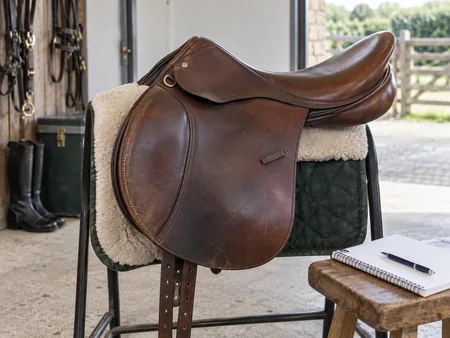
Questions to ask about a used saddle
A used saddle needs both a condition assessment and a fitting assessment; neither is settled by an attractive listing.
Read the article →Home / Buying second-hand
Look at condition, history and the practical details of a used purchase.
A used saddle needs both a condition assessment and a fitting assessment; neither is settled by an attractive listing.
Read the article →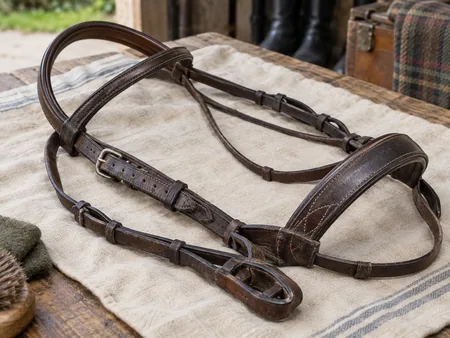
Inspect the separate components and their connections; a polished bridle can still have worn holes or mismatched pieces.
Read the article →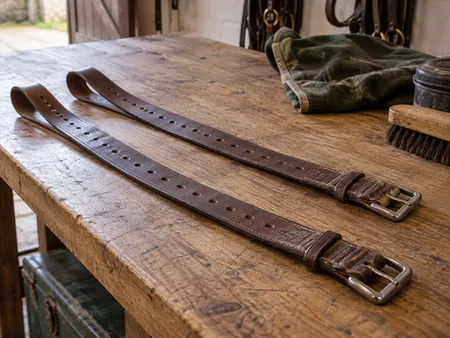
Look at both straps together, particularly the buckle attachments and adjustment holes, and treat uncertain strength as a reason to seek advice.
Read the article →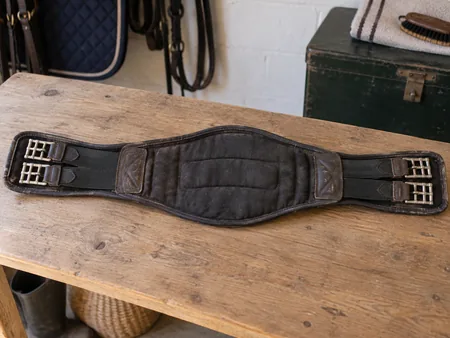
Turn the girth over and open the buckles: the horse-facing surface and attachment points deserve as much attention as the outside.
Read the article →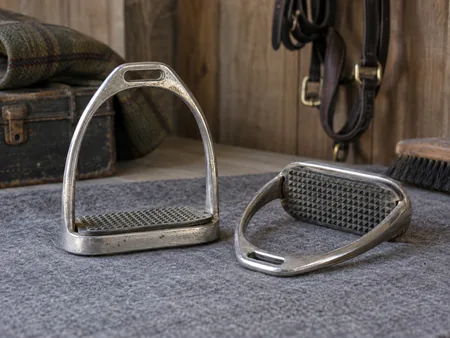
An identifiable model, complete parts and a known condition matter more than a freshly polished pair of irons.
Read the article →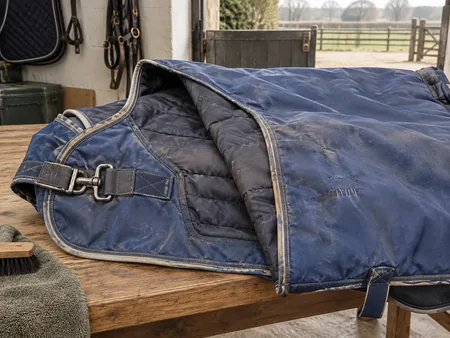
Look at the lining, straps and repair history as well as the outer shell, then budget for cleaning and any confirmed work.
Read the article →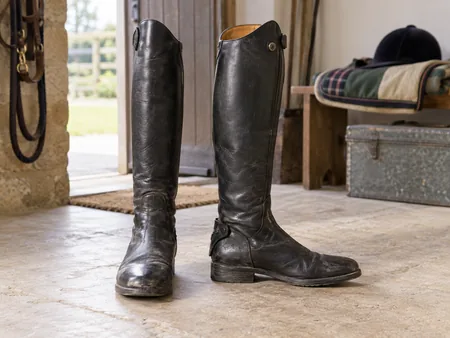
The printed shoe size is only part of the purchase; wear, calf dimensions and the way the boot has settled all affect the result.
Read the article →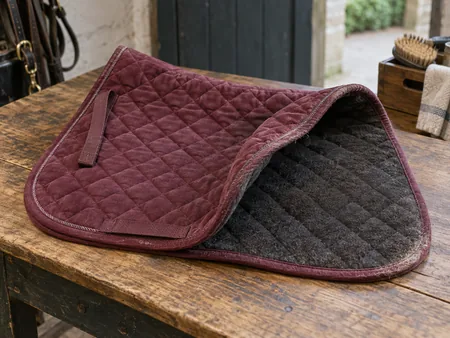
A clean top surface is not enough; inspect the underside, binding and shape before deciding a used pad is worth buying.
Read the article →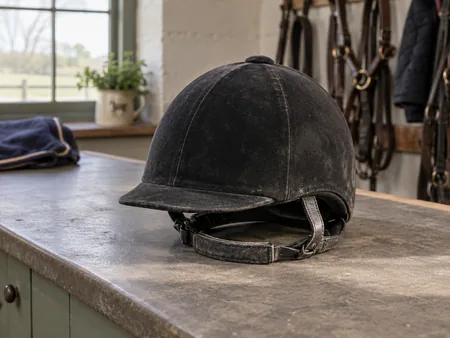
A riding hat can hide impact damage, and an unknown history cannot be settled by photographs or a reassuring seller description.
Read the article →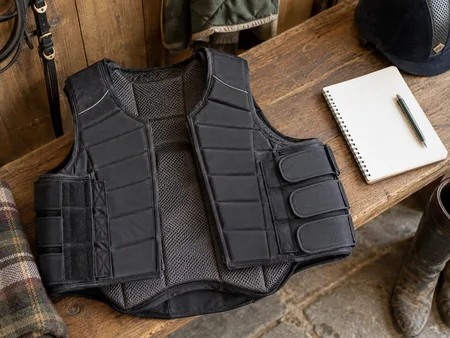
Age, fit and unknown damage complicate a second-hand body protector purchase even when the cover looks tidy.
Read the article →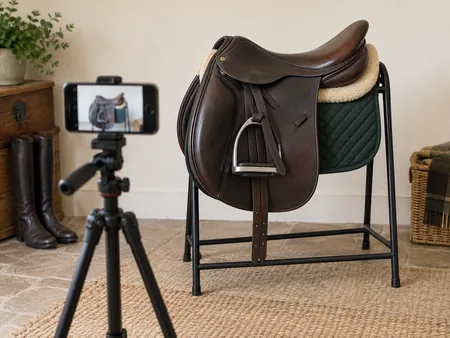
A useful set of pictures answers questions about identity, shape and condition without hiding the less attractive parts.
Read the article →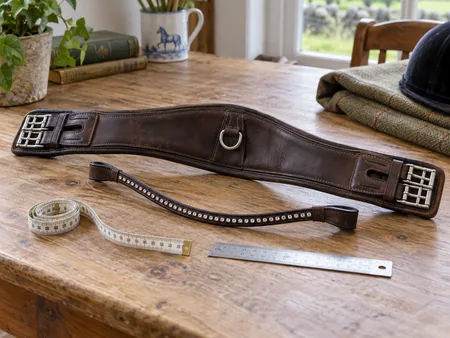
A number is useful only when both people know the units and exactly where the tape begins and ends.
Read the article →