Questions raised by a used body protector
Age, fit and unknown damage complicate a second-hand body protector purchase even when the cover looks tidy.
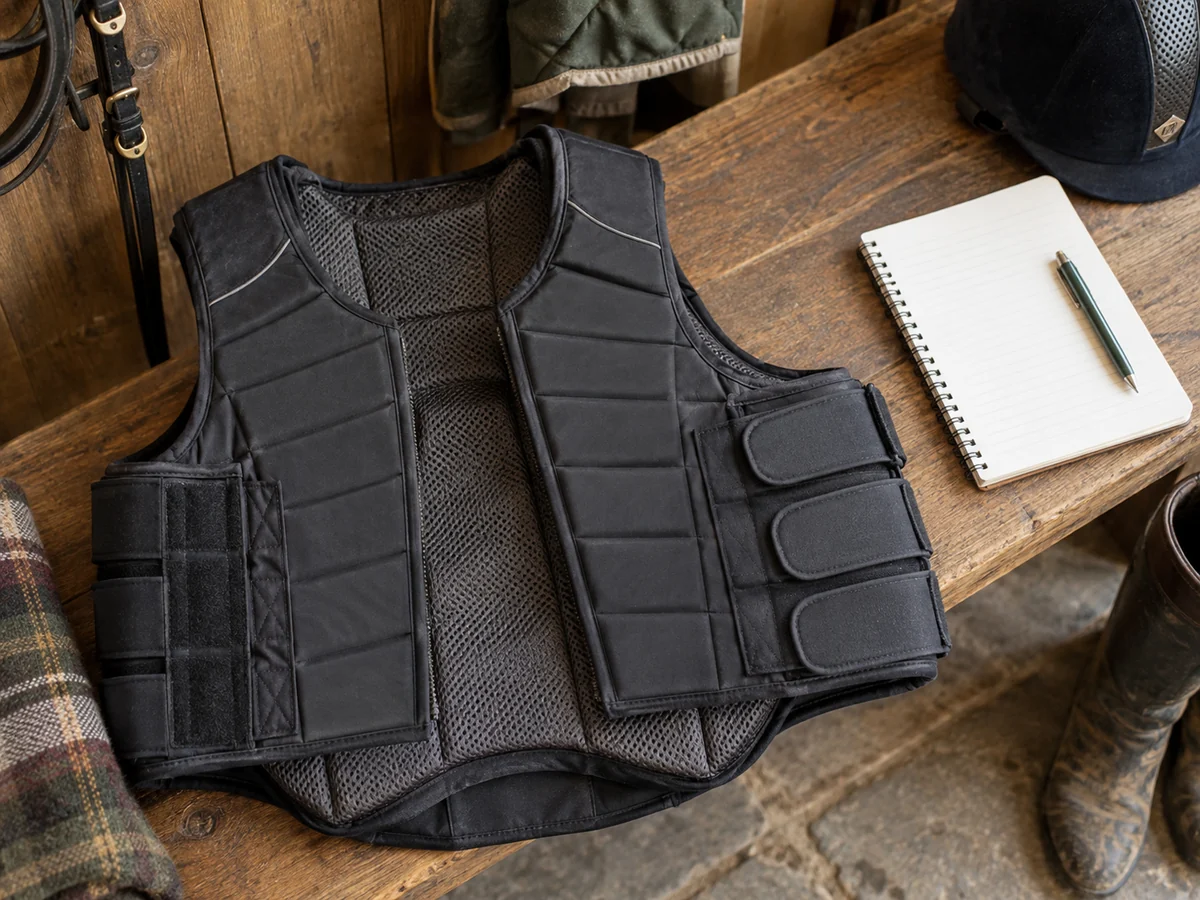
A neat cover does not describe the foam
Body protectors are designed around protective materials beneath an outer cover. That cover may show little of the garment's history. BETA highlights hidden damage as a reason to avoid second-hand protectors or ones with an unknown history. A photograph and a seller's promise cannot establish that the material retains the protection intended by the manufacturer.
Ask a trained retailer about a suitable new option rather than trying to solve uncertainty with a more detailed online inspection. The age of a model, time in storage and previous use all raise questions that cannot be answered by looking at the colour of its label alone. Do not assume that an older garment is suitable simply because it was expensive when new.
A protector needs to be assessed on the person who will use it, in the appropriate clothing and riding context. A size label or chest measurement is only a starting point. Different shapes and adjustment systems can sit differently, and a garment selected for someone else may not provide the intended coverage on you.
Use a retailer trained in fitting this equipment and explain the activity for which it is needed. Bring current requirements from a riding school or competition organisation where relevant. Standards and acceptance rules should be checked with the organisation at the time of use, not inferred from a seller saying that the protector was accepted at an event years ago.
Repairs and alterations are not ordinary tailoring
Do not trim protective material, add homemade panels or modify fastenings to make an unsuitable garment fit. Ask the manufacturer about any damaged part and whether an authorised repair or replacement is possible. Replacing a zip or cover does not necessarily answer questions about the condition of the protective material inside.
If the budget is tight, discuss simpler new models with the fitter and compare the complete cost. Buying an uncertain used protector and then paying for missing parts may leave you with neither a saving nor confidence in its suitability. Keep records and care instructions for the equipment you eventually choose, and follow the maker's guidance after impacts and during its service life. The purpose of those records is to manage known equipment responsibly, not to turn an unknown second-hand garment into a certified one through a checklist.
Reading & references