
Choosing tack
Getting ready for a saddle fitting visit
A little preparation gives the fitter a clearer picture of your horse, your riding and the equipment you actually use.
Read the article →Home / Choosing tack
Questions, measurements and conversations to have before buying.
A little preparation gives the fitter a clearer picture of your horse, your riding and the equipment you actually use.
Read the article →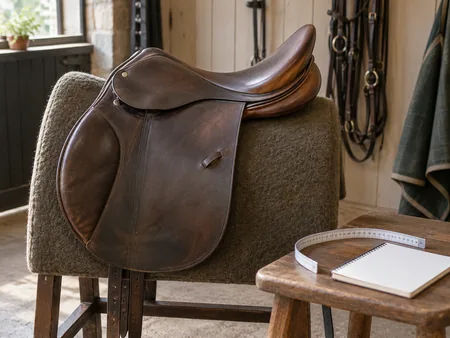
An unchanged saddle can sit differently when the horse beneath it changes shape, fitness or workload.
Read the article →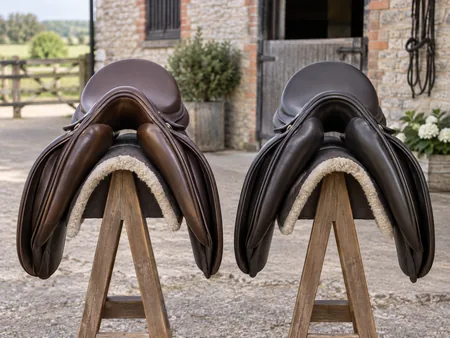
Medium and wide are useful labels within a range, but they do not make two different saddles equivalent.
Read the article →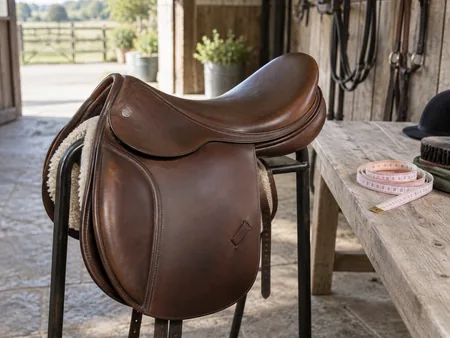
The number stamped on a saddle does not describe all the space and support available to the rider.
Read the article →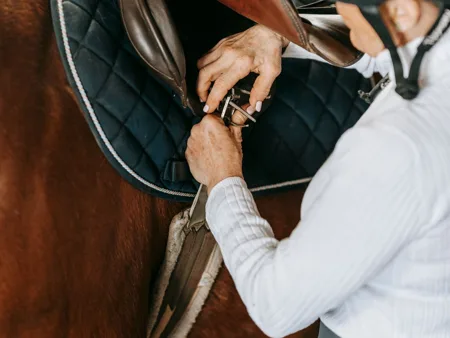
Measure according to the girth maker, then assess where the buckles and shaped sections sit in the complete setup.
Read the article →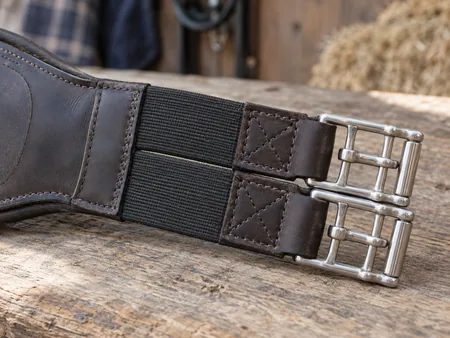
Elastic changes how a girth behaves, so compare the complete design rather than choosing by softness alone.
Read the article →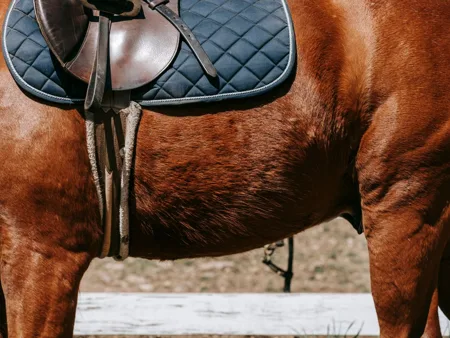
A pad needs enough room around the saddle without folds, seams or bindings ending beneath pressure-bearing areas.
Read the article →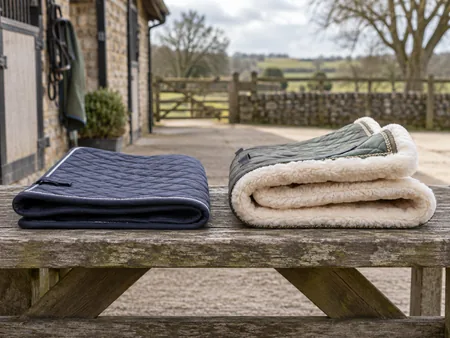
Extra cushioning takes up space beneath the saddle; it should be part of the fitting decision, not an improvised repair.
Read the article →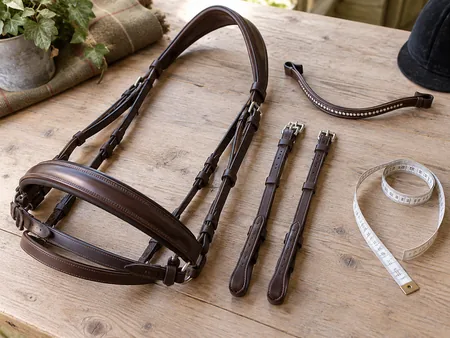
Useful measurements describe individual pieces and adjustment ranges, rather than relying on one overall bridle size.
Read the article →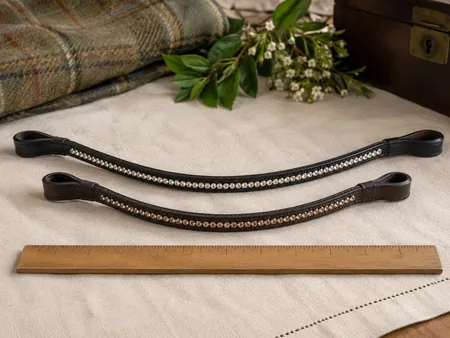
Length, curve and loop size all affect how a browband works with the headpiece and the horse's ears.
Read the article →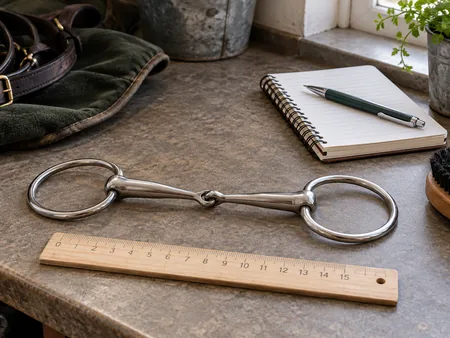
Width is only one question: mouthpiece shape, thickness and cheek design also need individual assessment.
Read the article →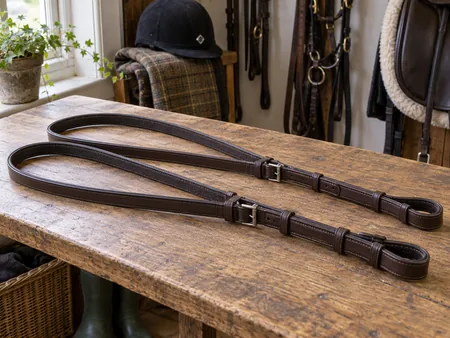
Compare the maker's measurement with the length you use in the saddle, including the spare rein and the connection at the bit.
Read the article →