Getting ready for a saddle fitting visit
A little preparation gives the fitter a clearer picture of your horse, your riding and the equipment you actually use.
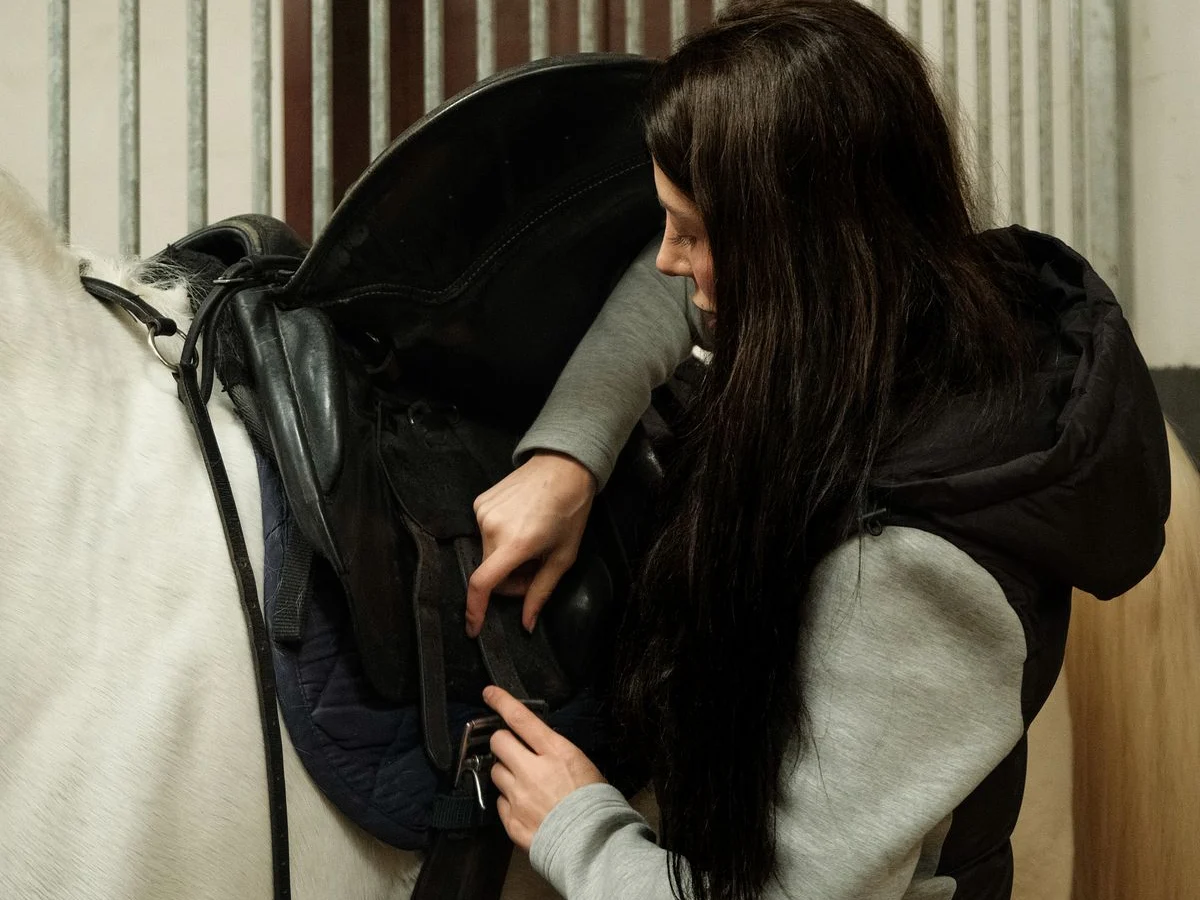
Start with the ordinary setup
A saddle fitting is more useful when it reflects an ordinary ride. Have your usual girth, pad, stirrups and riding boots ready rather than borrowing a collection of different equipment for the occasion. If you use two pads on different days, bring both and explain why. A change underneath the saddle can alter the arrangement the fitter is assessing.
Tell the fitter whether the appointment concerns an existing saddle, a new purchase or a second-hand candidate. Give the make and model if known, describe the work you do, and mention a recent change in the horse's condition or workload. A short account of what happens is better than a diagnosis: for example, the saddle shifts left in transitions, rather than saying the tree must be twisted.
Leave time and space
Ask what facilities are needed before the day. The fitter may need suitable level ground to assess the horse and a safe area to watch the combination ridden. Check whether a rider is required, how long the visit is likely to take and what happens if the weather makes riding impractical. A narrow, busy gateway is not a useful substitute for an assessment area.
Have the horse available, reasonably clean and settled, with someone competent to handle it. Do not arrange the visit between two commitments so tightly that there is no time for questions. If there is pain, lameness or a marked behavioural change, tell the fitter in advance and involve the vet as appropriate; a fitting appointment should not be used to postpone investigating a health problem.
Bring away a record
During the visit, ask which observations you should monitor and when another assessment is advised. Record the saddle model, any work done and the agreed pad and girth arrangement. Photographs can help you remember an arrangement, but they are not a replacement for the fitter's assessment or a permanent certificate that the saddle will continue to fit.
If several saddles are tried, keep separate notes for each. Include how you were positioned, what the fitter observed and any follow-up cost. Ask for an explanation of unfamiliar terms before deciding. The useful result is not simply a saddle selected on the day; it is knowing which setup was assessed, what has changed and who to contact if the horse or the way the saddle sits changes afterwards.
Reading & references