Seat size is only one part of choosing a saddle
The number stamped on a saddle does not describe all the space and support available to the rider.
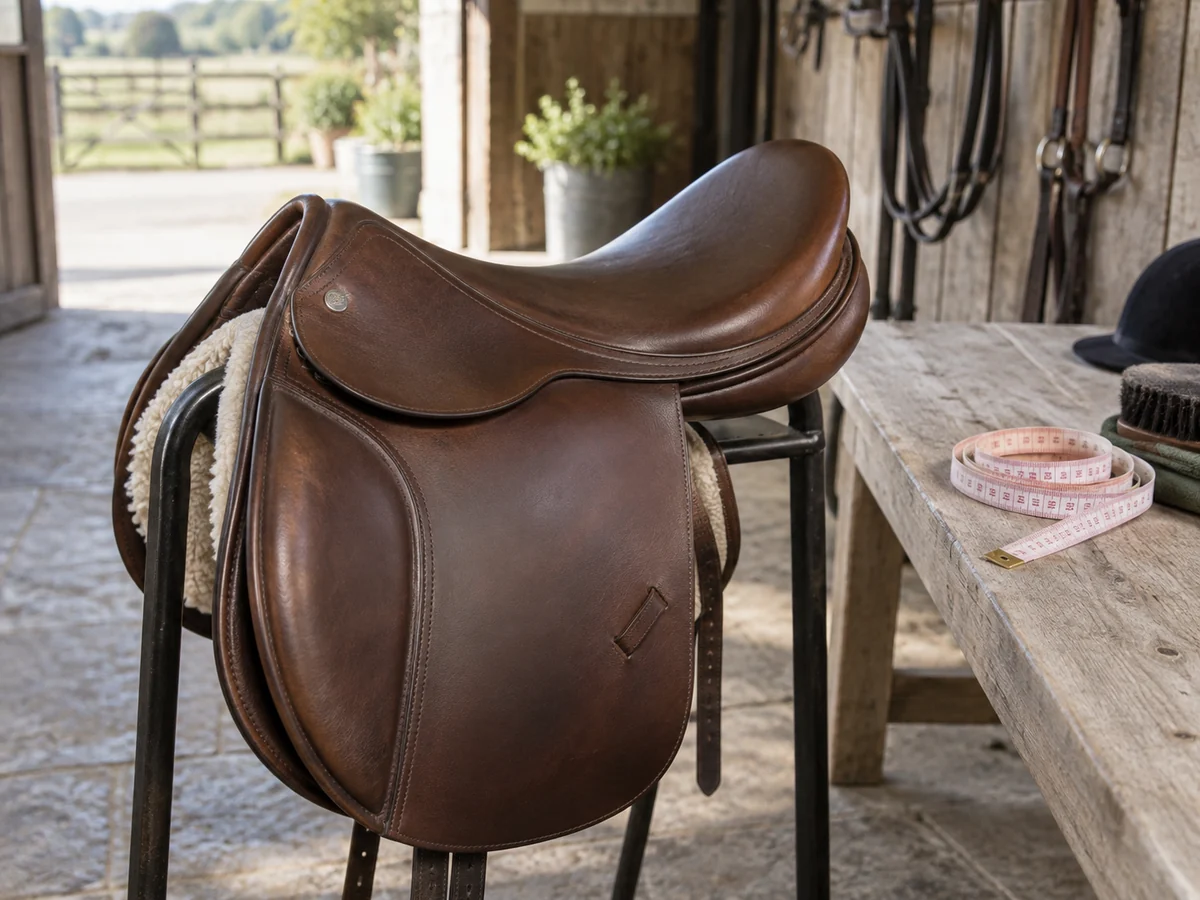
What the number leaves out
A seat size narrows the search, but two saddles carrying the same number need not feel alike. Seat shape, cantle design, flap position and blocks all affect the space the rider uses. A saddle may seem roomy when viewed from above yet place the rider awkwardly once the stirrups are adjusted. The number is one part of a description, not a complete account of how you will sit.
When replacing a saddle, record the old model as well as its size. Tell the fitter what works and what does not: whether your leg feels restricted, whether you struggle to find a balanced position, and what sort of riding you intend to do. This is more helpful than requesting a larger number without explaining the problem that prompted the change.
Horse and rider have to be considered together
Choosing a saddle means fitting the rider within a saddle that is also suitable for the horse. Increasing the seat size is not automatically an option just because the rider wants more room. The horse's available bearing area and the saddle's overall construction matter. This is a discussion for a qualified fitter who can assess the combination in person.
Wear your normal riding clothing and bring the stirrups and leathers you use when trying options. A brief sit on a stationary display saddle can identify an obvious discomfort, but it cannot show everything about riding in it. Ask how the trial will include the horse and movement, and allow enough time to distinguish unfamiliarity from a persistent restriction.
Read a second-hand description carefully
If the size is uncertain, ask for a photograph of the stamp or serial number and identify the maker's measuring convention. A seller measuring between two convenient points may produce a number that differs from the original specification. Do not round an unclear measurement into the size you hope it is. Send the evidence to the fitter or manufacturer for clarification.
Keep comfort notes separate from appearance. A particular leather colour or neat block arrangement may be appealing, but it will not solve an unsuitable seating position. After a fitting, record the complete model and specification rather than only the seat size. That makes later servicing, replacement enquiries and comparisons much easier, while reminding you that the fit belonged to a complete saddle, horse and rider arrangement.
Reading & references