Agree a saddle trial before collection
Agree the dates, permitted use and return practicalities before a saddle leaves the seller, and allow time for a fitter's appointment.
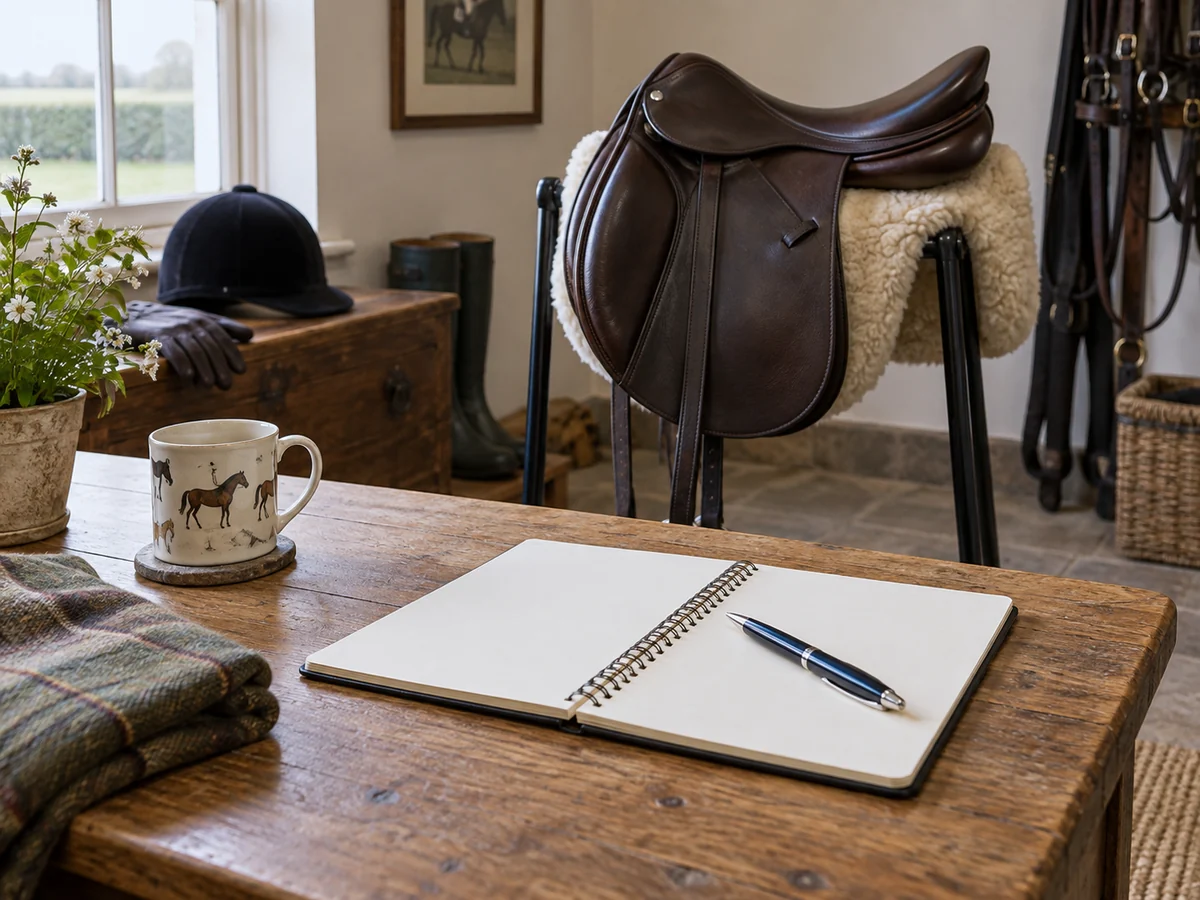
A trial needs enough time to be useful
Before accepting a saddle on trial, speak to your qualified fitter about availability. A short trial that ends before the appointment does not solve the fitting question. Tell the seller when the assessment can happen and agree a realistic period. Do not assume that a weekend collection automatically leaves enough time for professional advice, especially when transport or weather could delay the arrangement.
Clarify whether the trial permits a ridden assessment and under what conditions. Some arrangements may require particular protection for the saddle or limit where it can be used. Read and discuss those terms before collection. Avoid treating trial as permission for unrestricted use; the seller and buyer should be working from the same description of what will happen.
Write down the practical agreement
Record the exact saddle, identifying number, included accessories, payment or deposit arrangement and return deadline. Ask who arranges transport and what happens if the saddle is found unsuitable. These are questions to settle with the seller, not assumptions to borrow from another shop's policy. Where legal rights are in doubt, consult current official advice for the transaction rather than relying on informal wording in a message.
Photograph the saddle's condition at handover, including any existing marks, and keep the seller's listing. This helps distinguish an old scuff from something noticed later. Agree how concerns should be reported and which contact method to use. A clear record benefits both sides without turning the exchange into an argument before it has begun.
Keep changes off the trial saddle
Do not alter flocking, change components or carry out repairs unless the owner has specifically agreed. If the fitter recommends work, obtain the proposed details and cost, then discuss them with the seller before proceeding. A trial is an opportunity to assess suitability, not an invitation to modify someone else's property in the hope of making it work.
Leave time to decide and arrange the return if necessary. Use the agreed packing and delivery method, retain tracking details and photograph the packed item. If the saddle is bought, keep the assessment notes and final terms with its identification details. The best trial arrangement leaves no uncertainty about which saddle was assessed, what was permitted, and what each person needs to do at the end.
Reading & references