Comfortable riding clothes for a warmer day
Choose lighter clothing without losing the fit, coverage and equipment compatibility needed for riding.
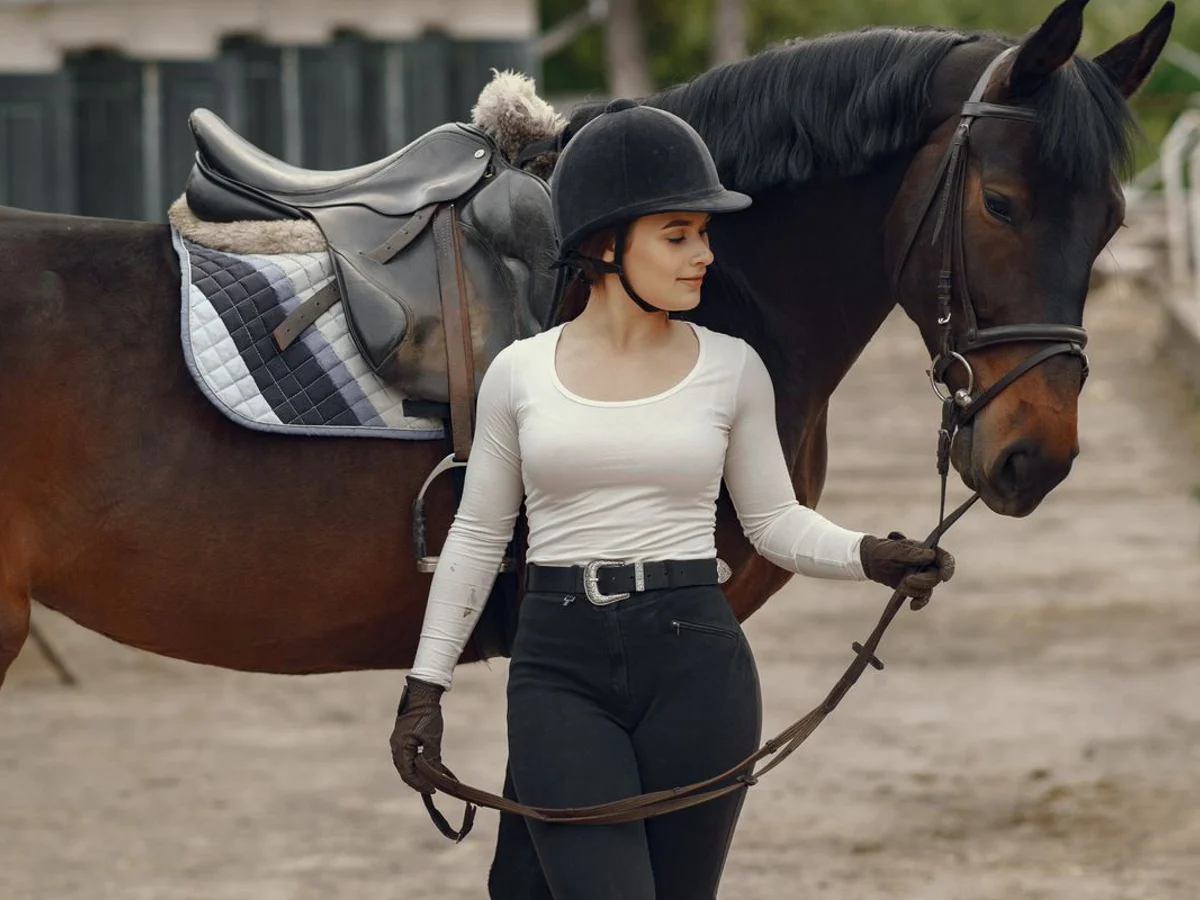
Keep the riding requirements first
Warm weather can make ordinary summer clothes tempting, but shorts, loose footwear and unsuitable tops do not become practical riding kit because the temperature rises. Follow the riding centre's requirements and keep appropriate boots, a correctly fitted hat and suitable trousers. Look for lighter versions of garments that already work for the activity rather than removing essential parts of the outfit.
Try lightweight trousers in the riding position before buying. Thin fabric can gather or become uncomfortable at seams, and stretch alone does not establish a good fit. Check the lower leg inside the boot and the waistband while bending. A breezier feel while standing is not useful if the material twists or slips during the lesson.
Coverage and ventilation can coexist
A light long-sleeved top may suit riders who want coverage without a heavy layer, provided it fits closely enough for safe use around horses. If a garment makes a sun-protection claim, read the specific label rather than inferring protection from colour or sleeve length. Use appropriate sun protection for exposed areas as part of planning the day.
Do not alter a helmet's liner or add unapproved items beneath it to make it feel cooler. Ask the fitter about suitable models and follow the existing helmet's instructions. Similarly, choose gloves that allow rein handling rather than using an oversized pair for ventilation. Comfort changes should preserve the way safety equipment fits and functions.
Plan the time around the ride
Bring water and discuss the session with the instructor when conditions are hot. Clothing is only one part of managing a warmer day for horse and rider. Waiting in direct sun, doing yard jobs and travelling can add exposure before the lesson even starts. A change of top or socks may be useful afterwards if the first set is damp.
Wash and dry lightweight kit according to its labels, especially garments with grip panels or technical finishes. Check for thinning fabric, damaged seams and worn closures as the season progresses. Store the hat and other equipment away from excessive heat, including unsuitable car storage. Keeping kit light should make the routine more comfortable without turning the hottest part of the day into a reason to ignore fit, condition or the centre's instructions.