Choosing rug weight without a temperature formula
Fill weight is a product detail, not a universal instruction to rug every horse the same way at a given temperature.
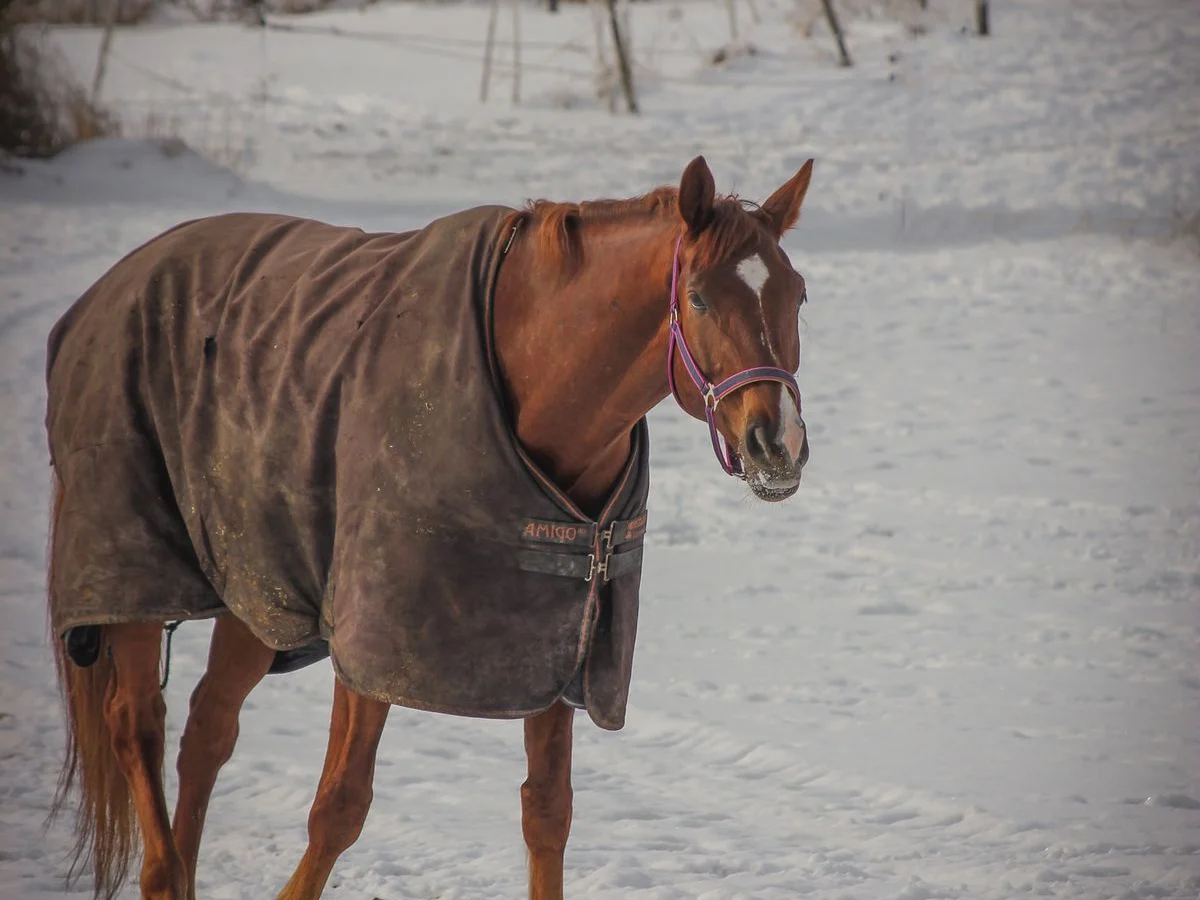
Start with the horse's circumstances
A weather app gives one temperature, but the decision about rugging involves more than that number. Consider the individual horse, coat or clip, condition, age, health, shelter and whether it is living in or out. Discuss uncertain cases with the vet or an experienced equine professional who knows the horse. A chart shared online cannot account for all of those circumstances.
Write down what problem a new rug is meant to solve before comparing fill weights. Perhaps the current rug is damaged, the horse has been clipped differently or the living arrangement has changed. This prevents a colder forecast from automatically becoming a reason to buy the heaviest option. It also helps a retailer understand the intended use without pretending to assess the horse remotely.
Know which specification you are reading
The filling weight describes insulation within the rug; it is not the same as the weight of the complete garment. The outer fabric and whether the rug is intended for turnout are separate details. Read those specifications independently. A high number in one part of the description does not answer every question about warmth, durability or weather protection.
If considering a liner system, ask which liners are compatible with the outer rug and how they attach. Do not assume any two layers can be combined because their nominal sizes match. Additional layers change the arrangement and must still sit properly. Keep the manufacturer's instructions so that the chosen combination can be reproduced rather than assembled differently each time.
Plan to check and adjust
The useful purchase is one you can manage as conditions change. Think about who will check the horse and whether a suitable alternative is available if the day becomes milder or wetter than expected. A rug left in place because changing it is inconvenient is not a good management plan. Follow individual advice and examine the horse regularly rather than relying on the morning forecast alone.
Remove rugs for routine checks, including the skin and areas where rubbing can occur, and reassess the fit when the horse changes shape. If the horse seems unwell or you are concerned about its ability to keep comfortable, seek appropriate advice. Keep simple notes about which rug was used and the conditions. Over time, those observations are more useful than treating a fill-weight chart as an automatic set of instructions.
Reading & references