When to ask about replacing a riding hat
Impact history and changes in fit matter even when the outside shell still looks tidy.
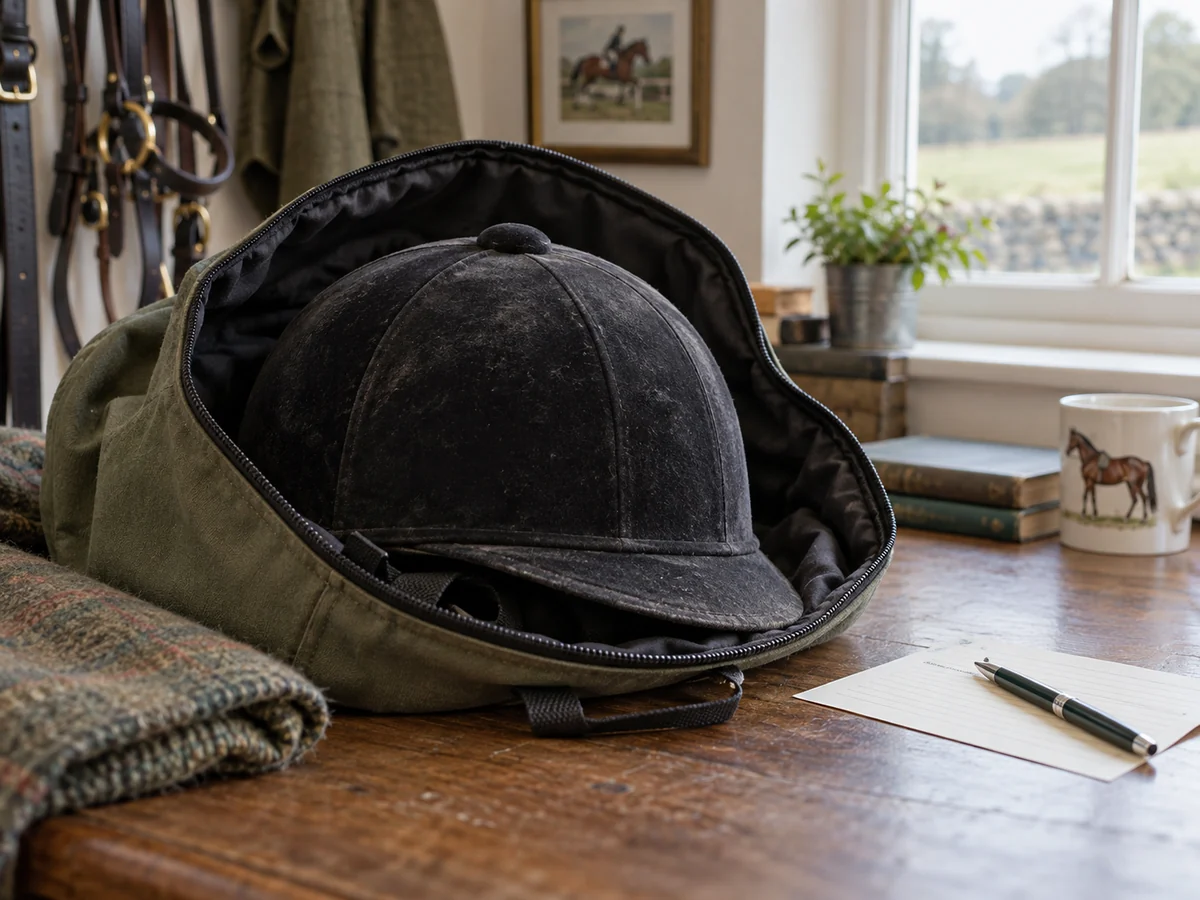
After a fall
The British Horse Society advises replacing a riding hat after a fall, particularly if it has contacted the ground. Damage is not always visible from the outside. Do not make a decision solely by looking for a crack or pressing the lining with your fingers. Follow the manufacturer's advice and contact them if you need to clarify what to do after a particular incident.
Keep the hat out of use while the question is unresolved. A spare should also be correctly fitted and in suitable condition; borrowing an arbitrary helmet is not a sound shortcut. If the manufacturer offers an inspection or replacement scheme, ask about the procedure, but do not assume that posting photographs can certify an impacted hat as safe.
Other reasons to ask
A helmet that has been dropped, crushed or exposed to unsuitable storage conditions needs attention according to its instructions. The BHS notes that impacts can reduce protective properties. A heavy object falling onto a hat in a tack box is part of its history even if no rider was wearing it at the time.
Fit can also change. Children grow, hairstyles change, and components may deteriorate with use. If the helmet rocks, slips or feels different, arrange a fitting check. Do not keep tightening the harness or add makeshift padding to compensate. A damaged fastening, missing approved liner or loose part should be addressed before the hat is used again.
Keep a simple record
Record the purchase date, make, model and any incident that may affect the hat. Follow the maker's service-life advice rather than borrowing a lifespan from another brand. Frequency of use, condition and treatment matter, and a calendar reminder does not override the need to replace after a relevant impact.
When retiring a helmet, make sure it cannot accidentally return to the riding kit or be passed on as usable safety equipment. Ask the maker about disposal or recycling options if available. Store the replacement where it is protected from knocks, excessive heat and damp, and dry it naturally as directed after use. The aim is to preserve a known history from purchase onwards, something that is difficult to establish with an unknown second-hand hat.
Reading & references