Leather, rubber and webbing reins
Grip, thickness and maintenance differ across reins that may otherwise look much the same.
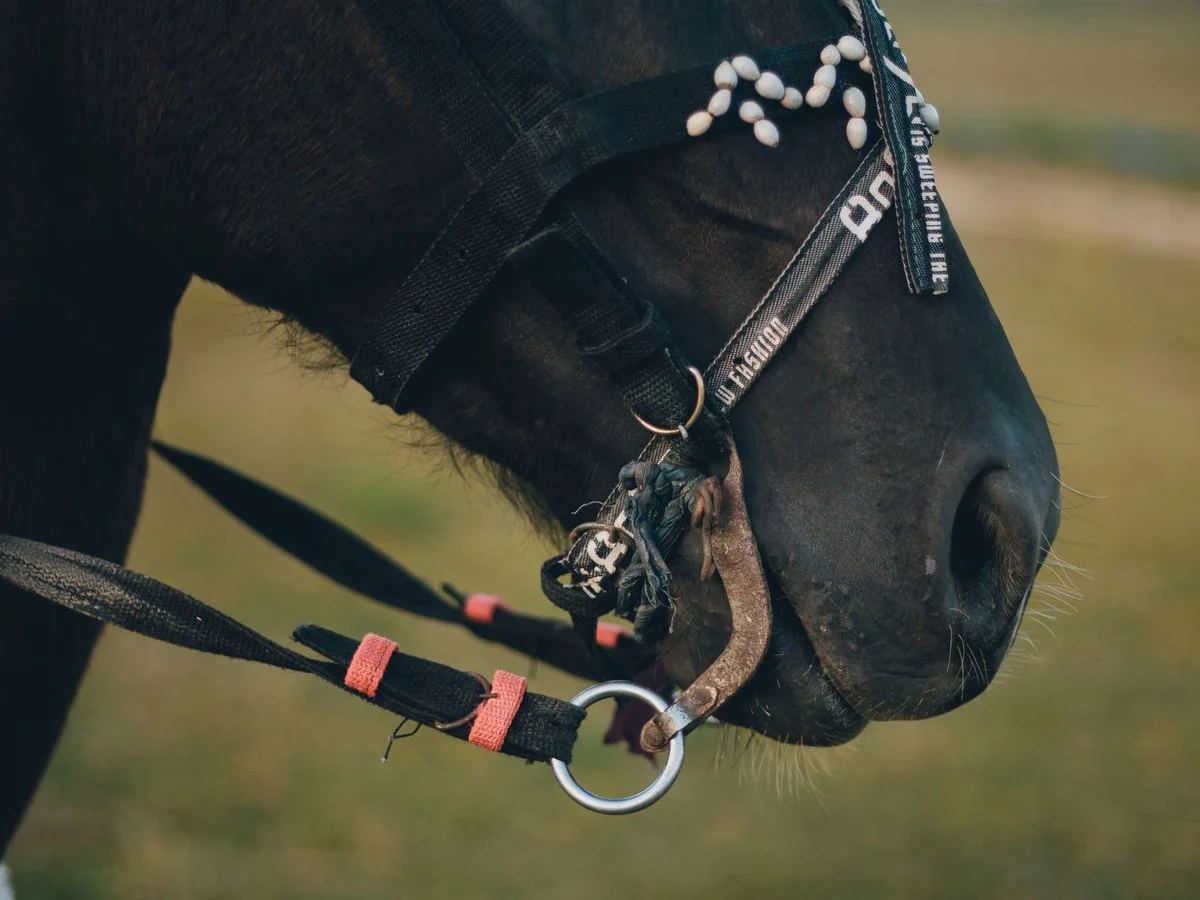
The hand notices the surface first
Plain leather reins offer a different feel from rubber-covered reins or webbing reins with leather stops. Rubber patterns vary in depth and texture, and webbing can be narrow, broad, firm or relatively soft. Hold a clean sample with the gloves you normally ride in. Notice how easily the fingers close and whether the material feels bulky where it passes between them.
Grip is not simply a case of more texture being better. A very pronounced surface may feel uncomfortable to one rider, while another finds it useful in wet conditions. The rider must still be able to adjust the reins smoothly under instruction. Buying a different surface is not a substitute for help with rein handling, balance or an uncomfortable hand position.
Look beneath the grip
Reins can combine several materials along their length. Rubber may cover a leather or other core, and the section near the bit may differ from the part held in the hand. Check for separation between layers, broken stitching and damage at the attachments. A worn grip can be obvious while deterioration at a folded billet remains hidden unless the reins are examined carefully.
Stops are small raised sections placed along some reins. They change the feel and may help identify hand position, but they do not replace correct fitting of other equipment. If a running martingale is used, ask the instructor or fitter about the required rein stops and compatibility of the whole arrangement. Decorative or hand-position stops should not be assumed to perform that separate job.
Length and care complete the choice
Check whether the listed length refers to one side or the complete pair. Riders, horses and activities need different usable lengths, and an attractive pair is not useful if the arrangement leaves too much loose rein or insufficient length. Compare like-for-like measurements and discuss an unfamiliar size before using it on the horse.
Cleaning should suit every material in the rein. Follow the manufacturer's directions rather than coating rubber or fabric with a leather dressing. Allow damp reins to dry appropriately, then inspect the surface again before storage. If an attachment is damaged, set the pair aside for repair or replacement advice. A neat knot, tape wrap or improvised clip is not an acceptable repair to this connection.