A headcollar is used differently from a bridle
These items can share familiar straps and buckles while serving different handling purposes.
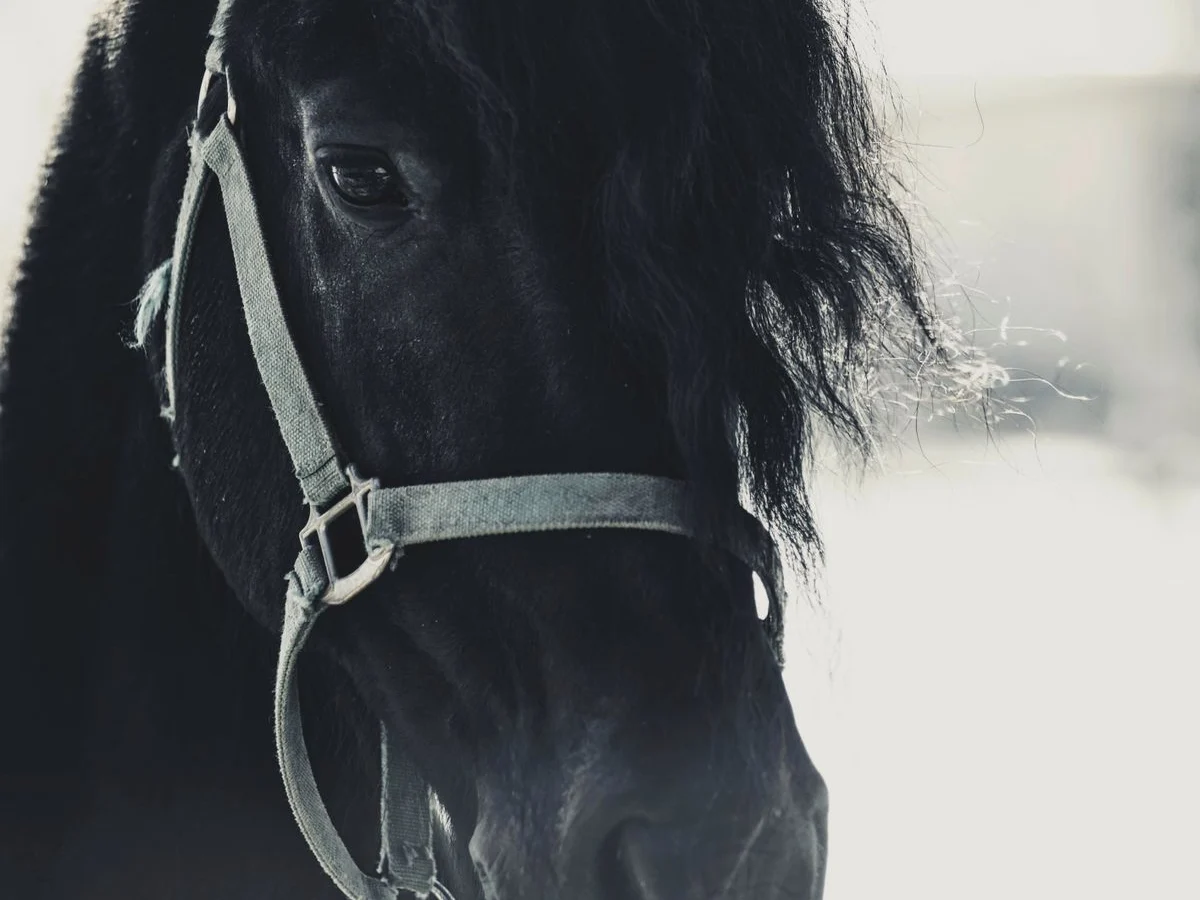
Identify the connection you will use
A headcollar is commonly used for leading and other everyday handling. A conventional riding bridle carries the bit and reins and is fitted for ridden work. Although both sit around the head, their attachment points and intended use differ. Learn the yard's handling routine with an instructor before choosing whichever item happens to be closest to the stable door.
The lead rope normally attaches to the designated headcollar ring. Reins attach to the appropriate part of a bridle. A buckle or side ring that appears strong is not automatically an alternative attachment point. Unfamiliar headcollar designs can include adjustable or breakaway components, so identify the maker's intended arrangement before putting one into use.
Tying is a separate question
Do not tie a horse by its reins or bit. A frightened horse pulling back can place force on the mouth and damage equipment. Tying requires suitable equipment, a suitable place and a taught procedure, including an appropriate breakaway point. Ask the yard staff to demonstrate their system rather than copying a knot from a distant photograph.
A headcollar's material does not tell you everything about its safety characteristics. Webbing, leather and rope designs behave differently, and specific breakaway features need to be understood. A strong-looking headcollar is not necessarily the correct choice for every situation. Discuss turnout, transport and tying separately because the circumstances and the horse's behaviour can change the decision.
Fit and condition still count
Check for twisting, rough edges, damaged stitching and hardware that fails to close properly. A headcollar used in mud or rain can hide dirt beneath the noseband and at folded joins. Remove it for appropriate daily checks of the horse and equipment, following the yard's routine. Do not leave a rubbing strap in place simply because it is used only outside riding time.
When moving from headcollar to bridle, have a competent person teach the process for that horse and setting. The aim is to maintain safe control without trapping straps or leaving the horse unsecured. Keep both items identifiable in a shared yard. A headcollar that belongs to a similarly sized horse may have a different adjustment or construction, and a convenient swap should not replace checking what is actually suitable.