Clothes to discuss before a first riding lesson
A quick conversation with the riding school can prevent unnecessary purchases and unsuitable footwear.
Ask what the centre provides
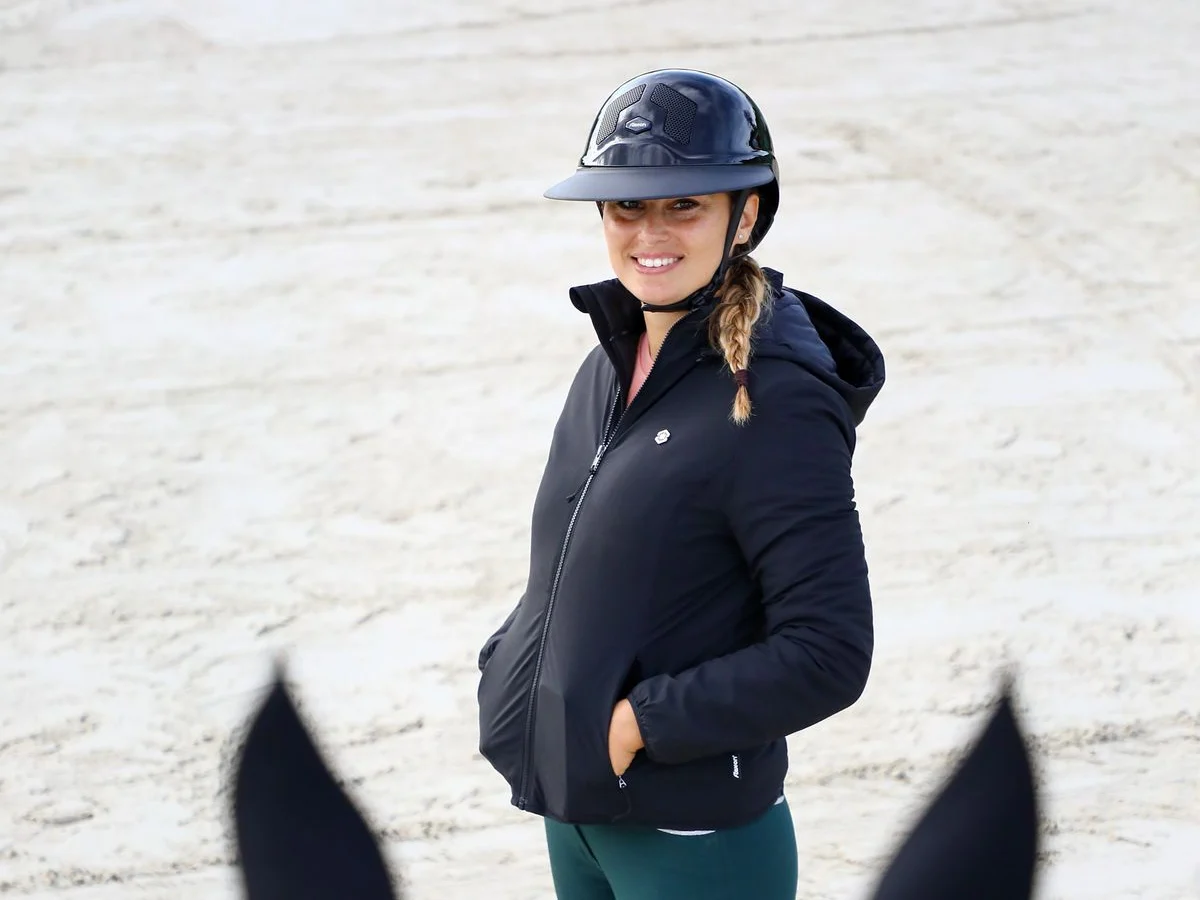
Before buying a starter outfit, contact the riding school about its clothing requirements and loan equipment. Many centres can advise on suitable boots and provide a fitted riding hat for the lesson, but availability and procedures differ. Give them enough notice if you have an unusual size or a fitting concern. Arriving early is more useful than arriving with unapproved equipment bought in a hurry.
Ask specifically about footwear rather than assuming any sturdy boot will do. The British Horse Society advises riding boots or jodhpur boots and warns against trainers, wellies and unsuitable heavy-tread yard boots. The boot also needs to work with the stirrup. Send a photograph to the centre if requested, but expect staff to check the actual pair before riding.
Make movement easy
Choose trousers that allow you to bend at the knee and hip without thick, uncomfortable folds. The centre may accept suitable ordinary trousers for an initial lesson, but confirm first. Raised inner seams, bulky pockets and fabric that rides up can become distracting in the saddle. Try sitting with your knees bent at home to notice obvious restrictions before leaving.
A close-fitting top avoids loose fabric catching or flapping. Follow the school's advice about sleeves, hoods, jewellery and hair. Do not place a bulky hairstyle or ordinary winter hat beneath a riding hat unless the hat fitter has specifically accounted for an approved arrangement. Changing what sits under a helmet can change its fit.
Pack for the time off the horse
The walk from the car park, watching another lesson and helping at the yard can involve different weather exposure from the ride itself. Bring an extra dry layer and suitable spare footwear if the centre recommends it. Keep belongings in a bag where straps and loose items can be put away before approaching horses.
Water, a small towel and a change of socks may be more useful than a collection of new accessories. Ask whether gloves are recommended and what type is suitable. A pair that makes the reins difficult to handle is not helpful merely because it is warm. Let the instructor assess the complete outfit before the lesson begins.
Buy gradually
After a few lessons, you will know more about the routine and can discuss your first purchases. Prioritise correctly fitted safety equipment and suitable footwear. Colours, matching sets and specialist competition clothing can wait until there is a practical reason for them. Keep any care and fitting instructions with the items you do buy so that the next lesson starts with equipment that is ready to use.